

We don’t talk enough about the difference between knowing what your body likes and just repeating what you’ve been told is supposed to feel good.
A lot of us never had the space to figure it out. We learned to associate pleasure by what a partner does, what a screen shows, what culture says is “sexy.”
So then we tend to fake it. Or fast-track it. Or skip it altogether.
But here’s the thing: your body has preferences. Specific ones. Some of them you might already know. Some are probably waiting underneath habits you’ve outgrown. And the only way to get to them is to actually ask.
What do I actually like?
Pleasure mapping is the process of discovering that answer for yourself. Direct input from your skin, your breath, your muscles, and your arousal. It can be sexual. It can also be completely non-sexual. The goal is not orgasm or release but clarity.
Here’s how to do it properly, and why it matters.
What is Pleasure Mapping?
It’s a self-guided process where you explore your own body to understand where and how you feel sensation, comfort, stimulation, or arousal. It involves:
- Touching different areas of your body with different kinds of pressure
- Testing temperature, texture, rhythm, and speed
- Noticing how your body responds – physically, emotionally, sexually
The outcome is a personal reference point for what turns you on, calms you down, or simply feels good.
You don’t need a partner to discover these things. What you need is uninterrupted time, a quiet place, and your own hands.
Before you start: setting up
You don’t need a fancy setup. You do need intention.
What you’ll need:
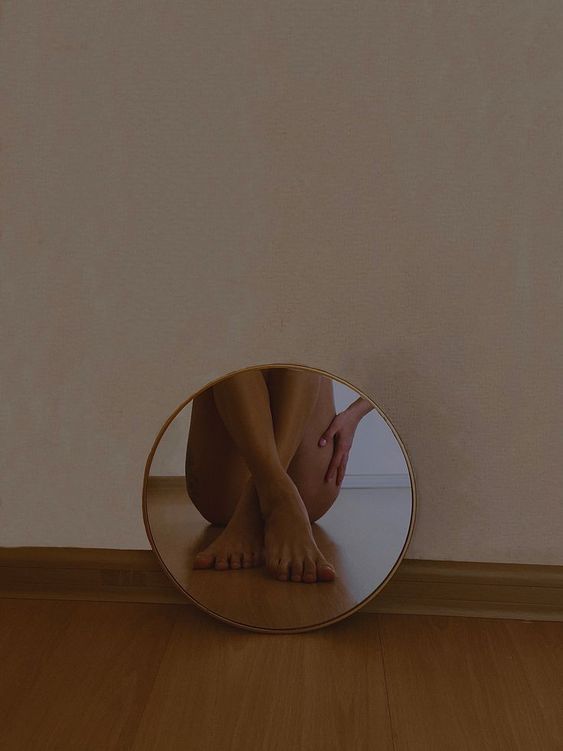
- A mirror (optional but helpful)
- Lubricant or body oil (unscented or something you enjoy)
- A towel or blanket
- Your fingers, plus optional tools: feather, toothbrush, vibrator, silk cloth, chilled spoon, etc.
- Your phone on airplane mode or a journal
Decide your focus:
Are you exploring arousal? Relaxation? Touch sensitivity? All three are valid. Being clear helps.

Touch types to try:
Be methodical. Try different styles of contact. For each one, pay attention to how your body responds – not just physically, but emotionally.
| Type of Touch | Description |
| Light Strokes | Fingertips grazing over skin |
| Firm Pressure | Whole hand pressing down |
| Tapping | Light, rhythmic taps with fingers or tools |
| Circular Motion | Slow rubbing in one direction |
| Drag + Release | Fingernails lightly dragged, then lifted |
| Temperature Change | Use a warm palm or cold object |
| Vibration | External vibrator, toothbrush, or phone |
| Static Pressure | Palm or object held still in one place |
Try each type of touch in different places on your body. Some might feel like nothing. Some might trigger arousal. Some might surprise you.
Areas to explore:
You probably already know a few common hotspots. The goal here is to go beyond them. Think of this as a physical inventory of under-explored areas.
Neck & Collarbone
- Front and side of neck: use both fingertips and whole hand
- Clavicle and shoulder dips: try light circular strokes with lotion
Breasts
- Don’t go straight to nipples. Start around the perimeter
- Use different pressures and directions. Try palm, then knuckles, then vibration
- Observe: does arousal increase with rhythm? With stillness?
Stomach & Abdomen
- The area below your ribcage, above the pelvis
- Try light touch while lying flat vs. standing
- Useful for mapping emotional responses (some women store tension here)
Inner Arms, Inner Thighs
- These are often overlooked. Try touching these areas with a soft brush, feather, or warm oil
- Notice if there’s a build-up effect when approached slowly
Vulva & Labia
- External only at first. Gently explore outer lips, inner lips, perineum
- Use two fingers to apply different types of pressure and movement
- Test: Do you prefer stroking vertically, horizontally, or circular? Faster or slower?
Clitoris
- This is where specificity matters: some women are hypersensitive, others need direct pressure
- Try tapping, circling, or holding pressure still
- Use lubrication generously – even if you’re aroused
Other surprising zones:
- Lower back
- Behind the knees
- Back of the scalp
- Sides of the torso
- Ear rim and just behind the ear
Track your preferences:
You don’t have to journal if you don’t want to. But writing things down – even briefly – helps.
| Areas explored | What worked | What didn’t | Notes |
| Inner thigh | Light touch with brush | Fingertips felt ticklish, not enjoyable | I like firm, grounding touch in this area |
| Stomach | Warm hand held still with mild pressure | Tickling motion | This area makes me feel calm but not aroused — good for winding down |
| Clitoris | Flat tongue-style pressure with vibrator on low | Fast, hard rubbing | Consistent, indirect stimulation works best, especially with lube |
You can do this in your Notes app, a spreadsheet, or voice memos. Just make it usable.
What to expect:
- Some things will feel neutral. That’s normal.
- Some parts might trigger unexpected emotion. Also normal.
- Arousal may come and go. It doesn’t need to “lead somewhere.”
- Your preferences may change over time. Hormones, stress, and environment all play a role.
The goal is information, not climax. That said, orgasms are welcome if they happen.
Why this practice matters:
If you know what your body likes, you don’t have to guess. You won’t depend on a partner’s technique or wait for someone else to notice you’re uncomfortable or checked out.
You’ll be able to say:
- “Try slower pressure.”
- “Start on my thighs before going straight to my clit.”
- “I need more buildup. Start at my neck.”
This isn’t just about sex anymore. It’s about body autonomy, confidence, and clarity. It’s also how you rebuild trust with yourself if that’s something you’re working on.

Final notes:
- You can do this once or make it a monthly check-in.
- You can make it erotic, clinical, or calming—whatever helps you stay honest.
- No one ever has to see your notes.
- And you don’t need to “fix” anything that doesn’t feel good. That’s part of the point.
Your body is not a mystery. It just needs your attention.



 Candid Club
Leave a comment