

Strength doesn’t always look the same.
For some, it’s loud — quick decisions, steady eye contact, the voice that cuts through a crowded room. That confidence can be genuine, but it can also be a form of camouflage. A way to keep the questions away. A way to protect the softer parts from being seen.
For others, it’s quiet — remembering birthdays, finishing the job without being asked, making sure everyone else is okay before checking in with yourself. This kind of strength blends into the background, but it’s no less demanding.
Different approaches, same pattern: the outside doesn’t always match the inside. And when you’ve learned to carry yourself this way, it can feel like you’ve lost the option to put anything down.
The Unspoken Rules of Being “The Strong One”
People who hold this role — whether they lead from the front or quietly support from behind the scenes — often have an unspoken set of rules.
- You keep moving because slowing down feels like it would unravel everything.
- You keep showing up because people expect you to.
- You don’t always share when something’s wrong, because you’ve been told, directly or indirectly, that you’re the one others rely on.
Over time, this becomes part of your identity. Colleagues, friends, family — they know you as dependable, composed, steady. And there’s pride in that. But there’s also pressure. When strength is your default setting, taking a step back can feel like you’re breaking a promise.
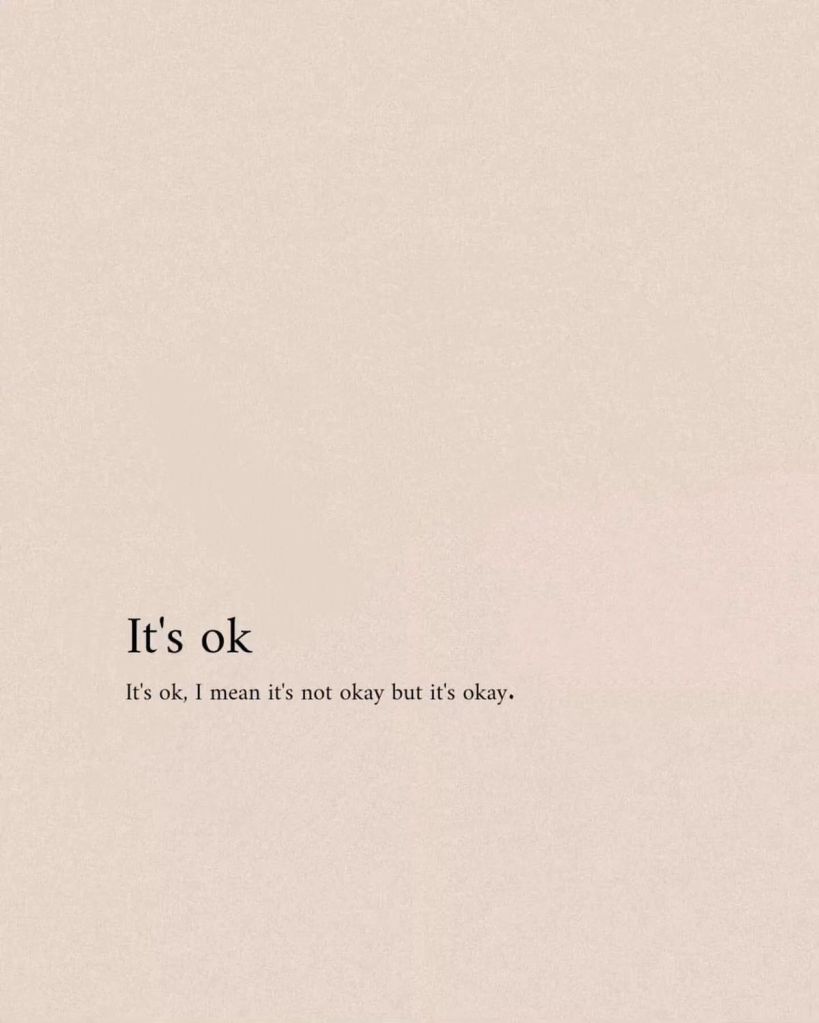
Why It’s Hard to Set It Down
Letting go of even a small part of that responsibility is harder than it sounds.
Sometimes it’s habit. You’ve been managing things for so long, you don’t think to ask for help until you’re already past your limit.
Sometimes it’s fear. Worry that others will see you as less capable or lose confidence in you.
And sometimes it’s self-protection. If you keep the armour on, no one will see the places where you’re tired, uncertain, or vulnerable.
Both loud and quiet strength can keep people from asking how you’re really doing. The image works so well that even the people closest to you believe it.
What Putting It Down Can Look Like
It doesn’t have to be a dramatic gesture. Often, it’s small decisions that shift the weight:
♥ Admitting you’re having a hard day instead of brushing it off.
♥ Letting your voice shake and resisting the urge to smooth it over.
♥ Asking for something simple — a coffee, a check-in, company on a walk.
♥ Choosing to spend time with people who expect nothing from you.
♥ Leaving your to-do list unfinished, even if just for an afternoon.
These moments don’t erase the fact that you’re capable. They show that you’re human — which, ironically, can make your strength more sustainable.
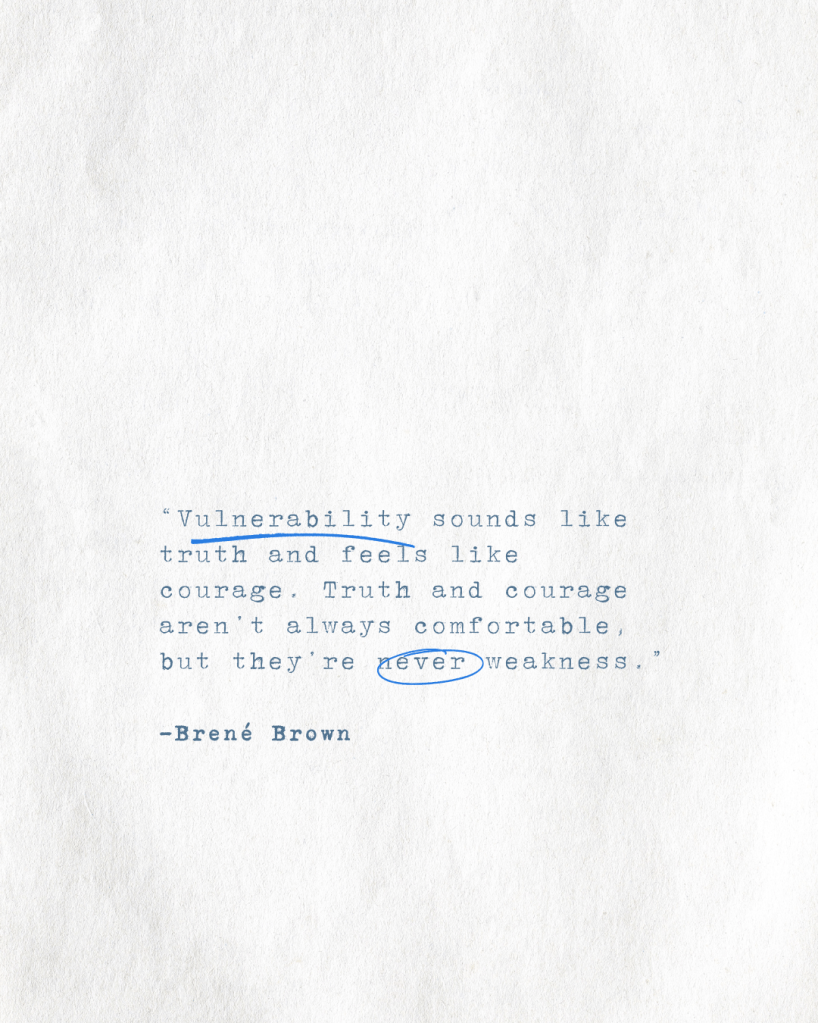
The Risk and the Payoff
There’s always a risk. Some people won’t know how to respond. Others might offer advice when you just want empathy.
But there’s also the possibility of connection. You might learn that you’re not the only one who feels this way. That letting someone see you without the polished exterior can deepen a relationship more than keeping it intact ever did.
And you might find that the world doesn’t fall apart if you loosen your grip.
Strength isn’t measured by how much you can carry without pausing. It’s measured by whether you can carry it and create space to recover.
It’s knowing when to step back so you can keep showing up. It’s trusting the people around you enough to let them in — not just when you have solutions, but when you have questions.
It’s allowing yourself to be supported without feeling like you’ve failed.
Putting it down doesn’t have to mean putting it away forever. You can pick it up again tomorrow, next week, or whenever you’re ready.
But in the time you’ve set it aside, you might notice something important:
You can rest without losing your place. You can soften without losing your respect. And you can still be strong without always being in control.




 Candid Club
Leave a comment