
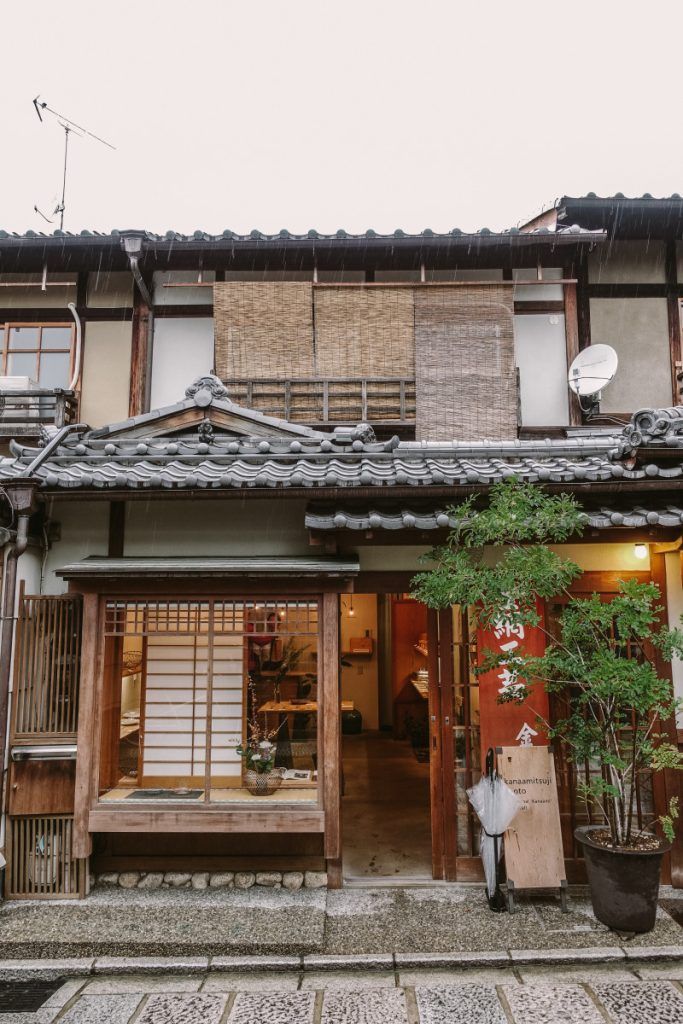
Kyoto changes depending on how you move through it. You can spend your time running between landmarks — Fushimi Inari, Kiyomizudera, Arashiyama — or you can let yourself move slower. Five days gives you just enough space to do both. To see the places everyone talks about, but also to notice the smaller things that don’t always make it into the lists.
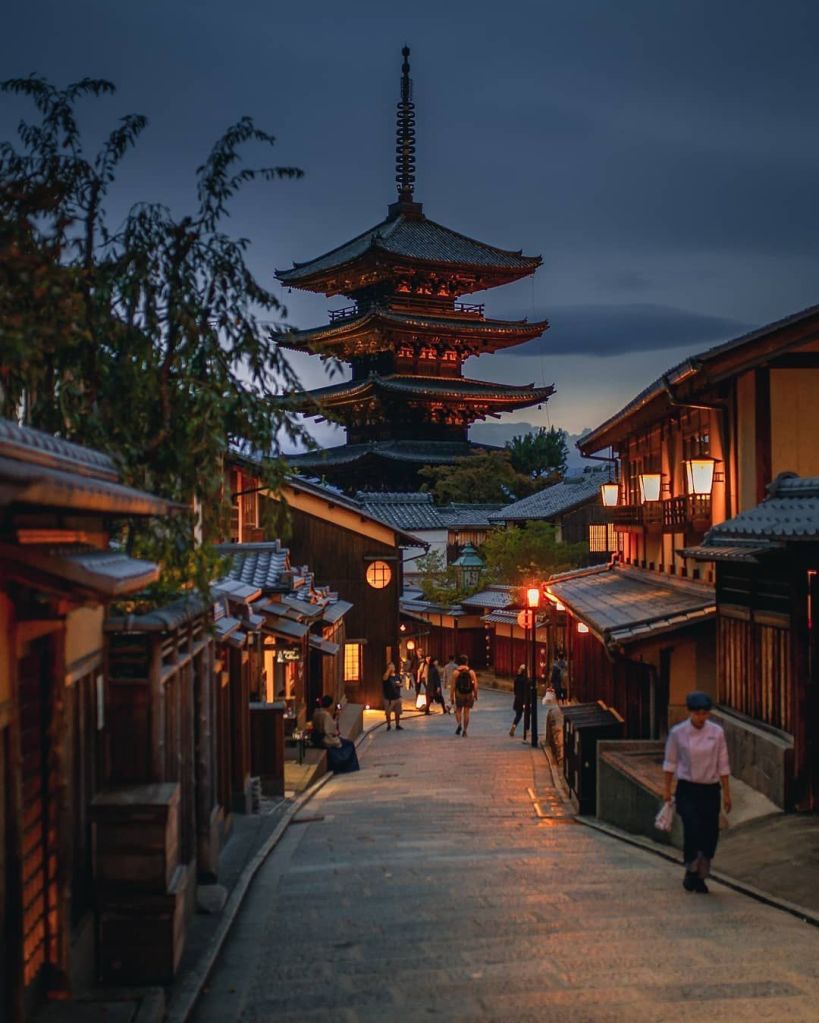
It’s in those smaller things that the city really stays with you. The sound of temple bells in the morning air. The way a narrow alley smells faintly of incense and grilled fish. Moss gardens so green they look like velvet. Lanterns that click on just before dusk, throwing a soft orange glow over the wooden houses in Gion.
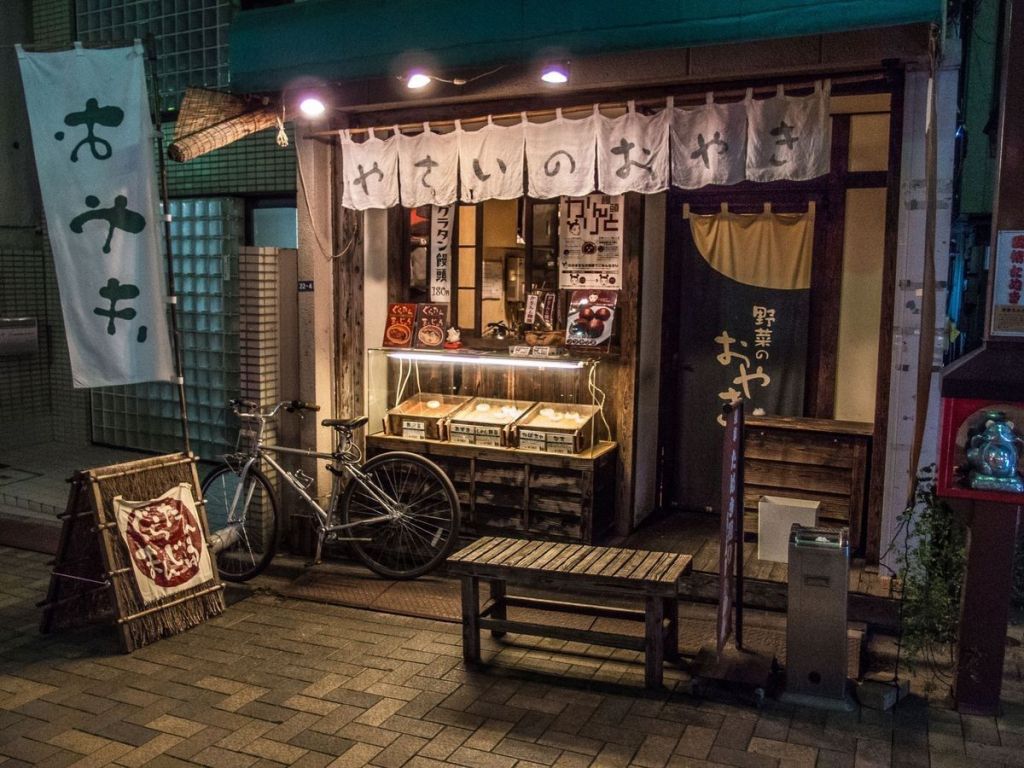
Five days means time for noodles slurped at a counter where the menu is handwritten. Time to wander into a secondhand bookshop and lose track of an afternoon. Time to sit by the Kamogawa River and watch students practice music while couples share snacks. Time to let the pace of the city shift you into a slower rhythm.
This itinerary is built around that rhythm. A balance of the temples and markets you’ll want to see, and the side streets, cafés, and small rituals that make Kyoto feel less like a destination and more like a place you’ve lived in, even if only for a few days.
Day One: East Kyoto & The First Wanders
♥ Morning: Walk the backstreets of Higashiyama. The stone slopes of Sannenzaka and Ninenzaka are lined with pottery shops and tea houses. Step inside a pottery studio if it’s open.
♥ Midday: Stop at a kissaten (old café). Order thick toast, a boiled egg, and coffee brewed in a siphon. Retro and comforting.
♥ Afternoon: Drift into Kiyomizudera Temple for the view, then wander down side alleys where laundry hangs on wooden balconies.
♥ Evening: Explore Gion. Lanterns light up the wooden houses, and narrow lanes glow orange. Eat at a small yakitori counter — smoky skewers, a cold beer, and chatter all around.
Day Two: Arashiyama
♥ Morning: Arrive early to walk the bamboo grove while it’s still quiet. Keep going to Adashino Nenbutsu-ji, a temple filled with rows of stone statues.
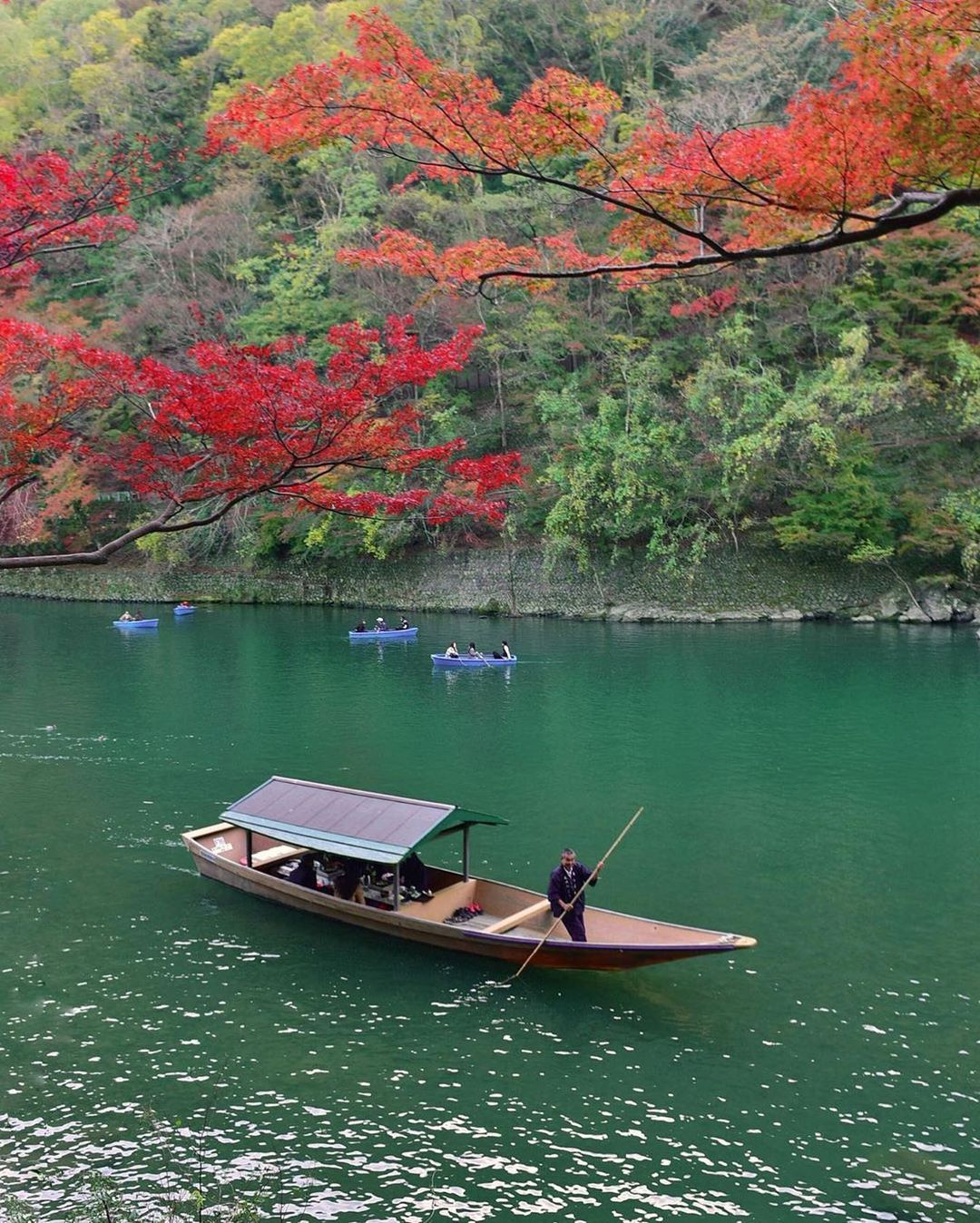
♥ Midday: Ride the Sagano Scenic Railway. Slow, wooden, with wide views of the Hozugawa River and forested hills.
♥ Lunch: Try a family-run soba shop. Bowls of steaming noodles with broth that warms you up after the ride.
♥ Afternoon: Sit by the Hozugawa River. Watch boats glide past, mountains shifting color as the light changes.
♥ Evening: Dinner back in town. Try tofu hot pot (yudofu), a Kyoto specialty

Day Three: Nishijin & Crafts
♥ Morning: Head to the Nishijin weaving district. Visit a workshop where artisans still work the looms. The click-clack of silk weaving fills the rooms.
♥ Midday: Wander toward Seimei Shrine with its fox guardians and star patterns linked to old astrology stories.
♥ Afternoon: Explore small side streets — dye shops, fabric stores, tiny bakeries.
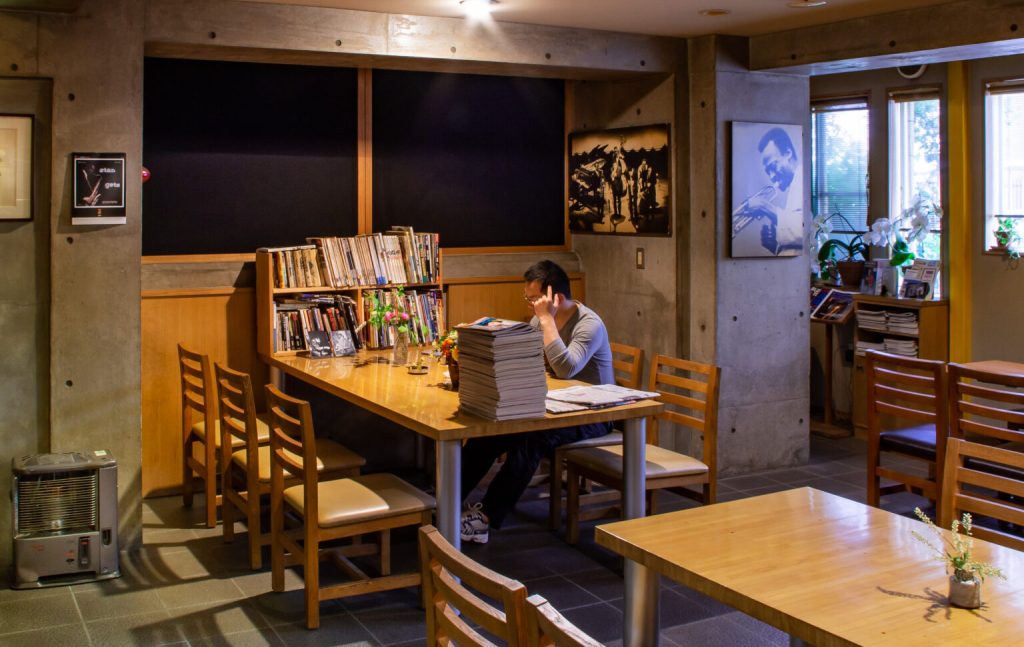
♥ Evening: Jazz café time. Find a kissaten that turns into a bar after dark. Whiskey highball, live saxophone, cigarette smoke curling in the air. A slice of old Kyoto nightlife.
Day Four: Markets & Walks
♥ Morning: Snack your way through Nishiki Market. Pickles, fish skewers, fresh mochi, and matcha soft serve.
♥ Midday: Walk the Philosopher’s Path. A canal-side walkway lined with cherry and maple trees. Small temples and cafés along the way.
♥ Afternoon: If your timing is right, visit the Toji Temple flea market. Antique bowls, old kimonos, vintage postcards spread out on blankets.
♥ Evening: Find a ramen shop with only ten seats. Sit at the counter, watch the chef at work, and join in the rhythm of slurping, bowing, and leaving satisfied.


Day Five: Stillness & River Life
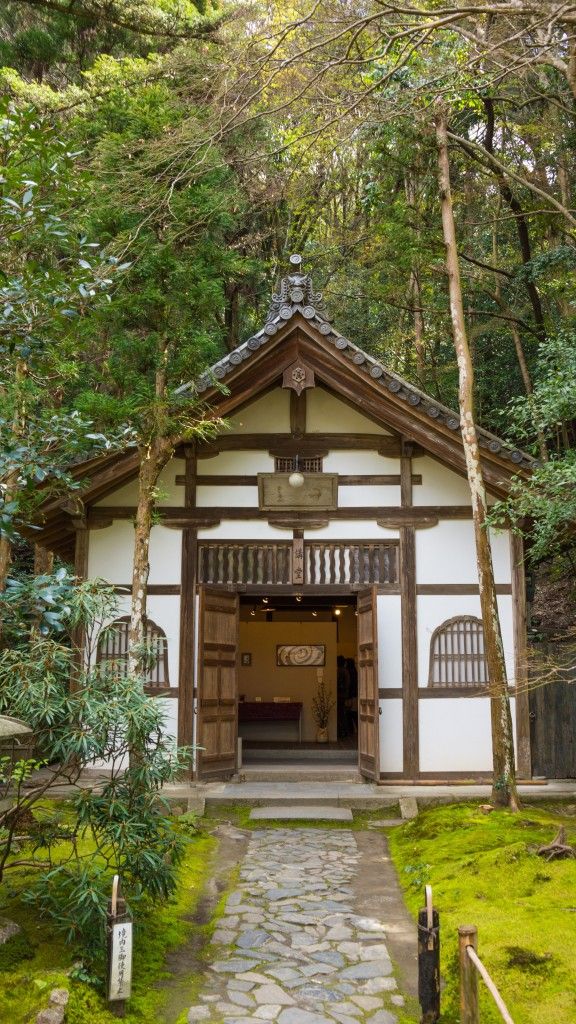
♥ Morning: Visit Honen-in Temple, tucked into the forest. Moss, stone steps, quiet air. A place to sit without rushing.
♥ Midday: Stop at a small wagashi shop for handmade sweets — seasonal pieces shaped like flowers or fruit.
♥ Afternoon: Spend time by the Kamogawa River. Locals sit here in pairs or small groups. Some bring snacks, some guitars, some just rest. Join them.
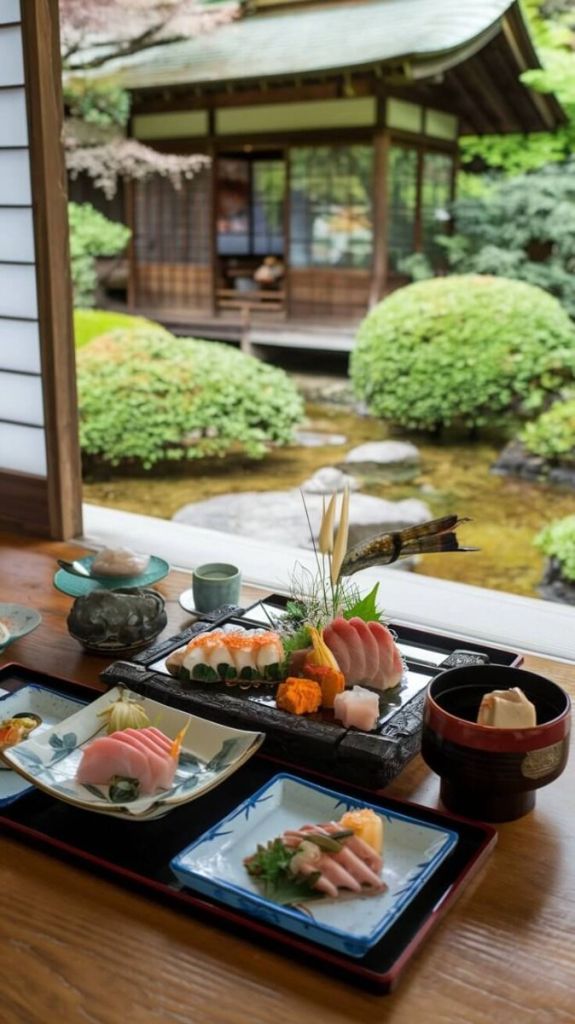
♥ Evening: End with dinner at a family-run izakaya. Handwritten menus, simple dishes, and the feeling of being welcomed in for your last night.
Final note:
Five days in Kyoto isn’t about covering every sight but about balance — temples and gardens, but also noodle shops and riverbanks. A mix of places you’ve heard of and corners you only find by walking. That’s what makes the city stay with you.
Tell us, what’s your favorite part? What do you most look forward to visiting and doing if you’re ever in Kyoto? Send us a comment below ♥

 Candid Club
Leave a comment